云计算市场作为数字经济时代的核心基础设施,正以惊人的速度重塑着我国的产业格局和商业生态。从初创企业到传统行业,云计算已经成为推动数字化转型和创新的关键引擎,而未来的发展趋势更是预示着巨大的市场机遇与挑战。本文将深入探讨云计算市场的多方面发展路径,助力读者全面把握这一领域的未来动向。
云计算市场未来的增长潜力有多大
云计算市场在我国的增长前景极为广阔,预计未来五年将保持年均20%以上的复合增长率。随着5G、人工智能和物联网技术的普及,企业对云计算资源的需求将呈现爆发式增长,尤其是在制造业、金融业和医疗健康领域。这种增长不仅体现在基础设施层面,还涵盖了云原生应用和混合云解决方案的广泛采纳。

同时,政府政策的支持也为云计算市场注入了强劲动力。“十四五”规划中明确提出要大力发展云计算产业,推动数字经济建设。这将进一步加速云计算技术在中小企业的普及,帮助它们降低IT成本并提升运营效率。市场的扩张不仅仅局限于一线城市,二三线城市和农村地区的云计算应用也在逐步崛起。
云计算安全如何保障数据隐私
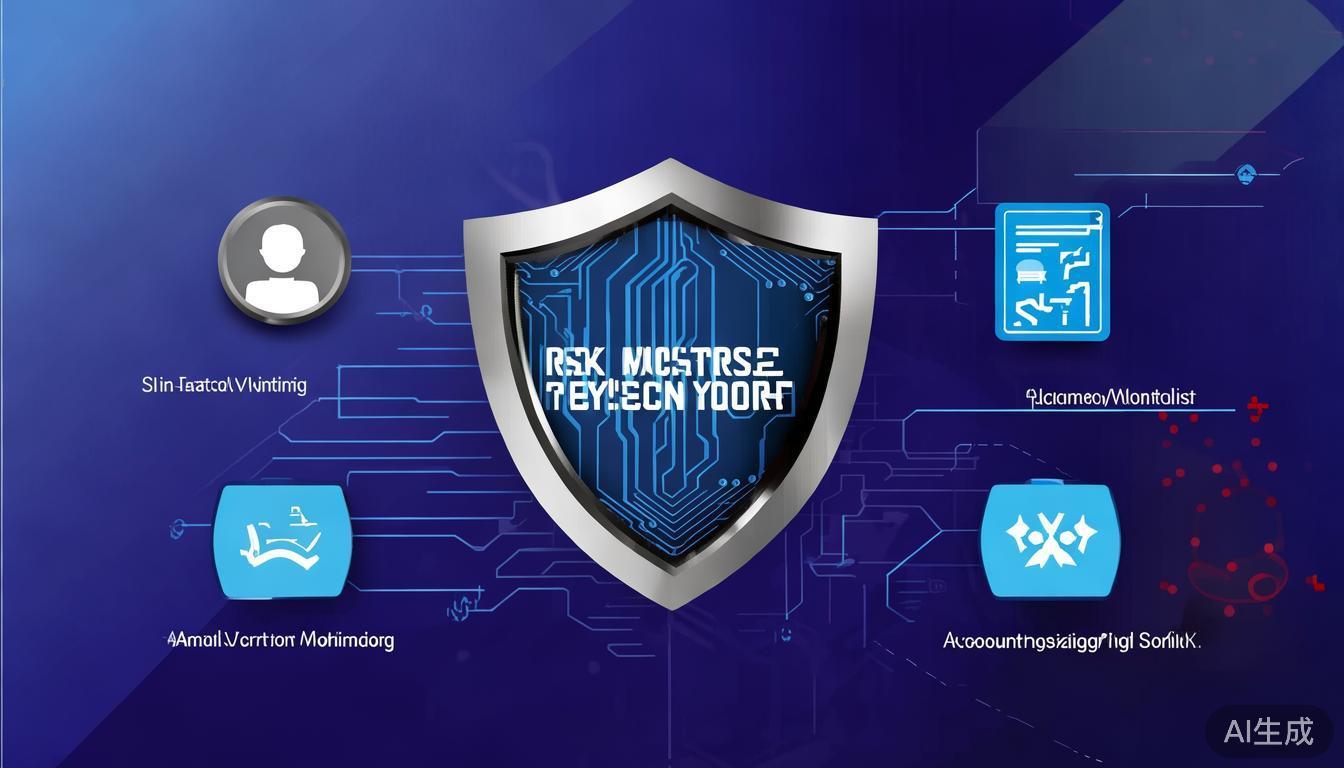
数据安全和隐私保护是云计算发展中的核心挑战。随着数据泄露事件频发,企业和个人对云服务的安全性提出了更高要求。云服务提供商正在通过加强加密技术、多重身份验证和实时监控来提升数据防护能力。例如,许多大型云平台已采用零信任安全模型,确保数据在传输和存储过程中的完整性。
合规性要求也在推动云计算安全体系的完善。我国的《网络安全法》和《数据安全法》对云服务商设定了严格的数据处理标准。企业选择云服务时,越来越注重供应商是否能通过ISO 27001等国际安全认证。这些措施共同构建了一个更加可靠的云安全生态,为用户数据隐私提供了坚实保障。
云计算如何助力企业降本增效
云计算通过其弹性资源和按需付费模式,显著降低了企业的IT infrastructure成本。传统企业无需再投入大量资金购买和维护服务器硬件,而是可以根据业务需求灵活调整云资源使用量。这种模式特别适合季节性波动较大的行业,如电商和在线教育,帮助企业实现资源优化和成本控制。

Beyond cost savings, cloud computing also enhances operational efficiency by enabling seamless collaboration and remote work. Cloud-based tools like collaborative办公软件和项目管理平台 allow teams to work together in real-time, regardless of their physical location. This has become increasingly important in the post-pandemic era, where hybrid work models are becoming the norm. The agility provided by cloud services helps businesses respond quickly to market changes and innovate faster.
云计算与人工智能的融合趋势是什么
云计算和人工智能的融合正在推动智能应用的大规模落地。云平台提供了强大的计算能力和存储资源,使得AI模型的训练和部署变得更加高效和经济。例如,许多企业利用云上的AI服务,如自然语言处理和图像识别,来开发智能客服和数据分析工具,提升用户体验和决策水平。
Moreover, the integration of AI with cloud computing is enabling the development of autonomous systems and predictive analytics. In industries like healthcare and manufacturing, AI-driven cloud solutions are being used to optimize processes, predict maintenance needs, and personalize services. This synergy not only accelerates innovation but also creates new business models centered on data-driven insights and automation.

混合云和多云策略的未来发展如何
混合云和多云策略正在成为企业云计算部署的主流选择。混合云结合了公有云的灵活性和私有云的安全性,非常适合需要处理敏感数据的企业,如金融机构和政府机构。这种架构允许企业将核心业务数据保留在私有云中,同时利用公有云处理非敏感任务,实现资源的最佳配置。
Similarly,多云策略 helps businesses avoid vendor lock-in and enhance resilience by distributing workloads across multiple cloud providers. This approach ensures continuity of operations even if one provider experiences downtime. As cloud technologies evolve, interoperability and management tools for hybrid and multi-cloud environments are improving, making these strategies more accessible and practical for organizations of all sizes.
云计算市场面临的挑战有哪些

Despite its rapid growth, the cloud computing market faces several challenges. One of the major issues is the shortage of skilled professionals who can design, manage, and secure cloud infrastructures. This talent gap could slow down adoption, especially among small and medium-sized enterprises that lack the resources to train or hire experts. Bridging this gap requires concerted efforts in education and industry certifications.
数据主权和合规性差异 across regions pose another significant challenge. As businesses expand globally, they must navigate varying data protection laws, such as the GDPR in Europe and local regulations in China. This complexity can increase the cost and complexity of cloud deployments. addressing these challenges will be crucial for sustaining the long-term growth and stability of the cloud computing market.
云计算市场的未来充满机遇与挑战,那么您认为,在云计算普及过程中,中小企业如何才能更有效地利用云技术提升竞争力?欢迎在评论区分享您的看法,点赞并转发本文,让更多朋友参与讨论!











































































































































































































































































































































































































































































































































































































































发表评论
◎欢迎参与讨论,请在这里发表您的看法、交流您的观点。